Winning a car accident claim in Louisiana takes evidence that another party was negligent, which means proving all four elements of negligence: duty, breach, causation, and damages. Our Shreveport injury lawyers page walks through each one.
Causation is harder to prove than it used to be. Act No. 18 of 2025 (La. Code Evid. Art. 306.1, effective May 28, 2025) removed the Housley presumption in civil tort cases. That presumption was a shortcut: healthy before the wreck, symptomatic after, and the court presumed the wreck did it. Healthy before and hurting after is no longer enough to establish medical causation, which makes early, complete medical records more important than they were. If you had prior injuries, expect the adjuster to say your symptoms are all pre-existing.
What a Strong Fault Investigation Looks Like
A real investigation starts with the police report, the witness statements, and whatever physical evidence is left at the scene, and evidence has a shelf life. Intersection cameras along Youree Drive, Bert Kouns, and I-20 catch a great deal, but surveillance systems at Shreveport businesses recycle their footage on cycles as short as 48 hours. Cars get repaired or hauled to salvage. Memories blur inside a few weeks. Waiting months to call a lawyer loses evidence nobody can recreate.
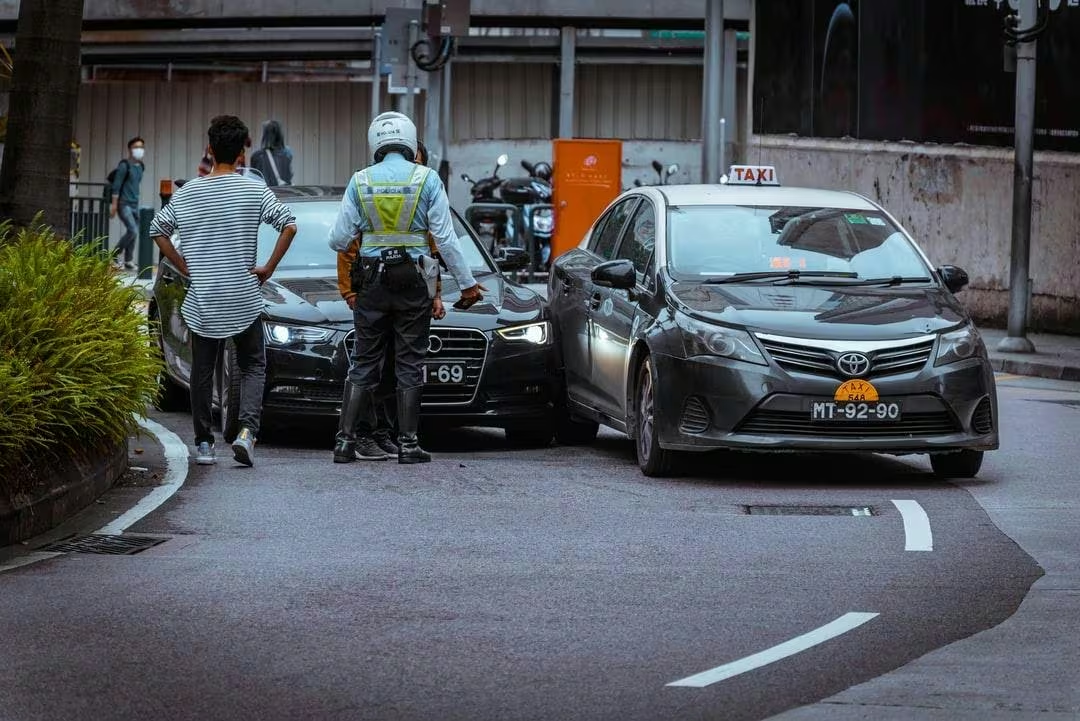
Here is what we do. We pull the police report, which carries the responding officer's observations, the road conditions, any citations, the witness names, and sometimes an early read on fault, along with the EMS records. We go after traffic camera footage from the signal intersections and surveillance video from the businesses nearby before those systems loop, photograph the scene before the road changes, and find the eyewitnesses and interview them while it is still fresh. Every modern car carries an Event Data Recorder, the black box. It records speed, braking, steering input, and belt status in the seconds before impact, and that data is hard for the other side to talk around. We download your own vehicle's recorder, and once the facts give an honest basis, we send a preservation letter for the other vehicle's recorder and any other evidence at risk.
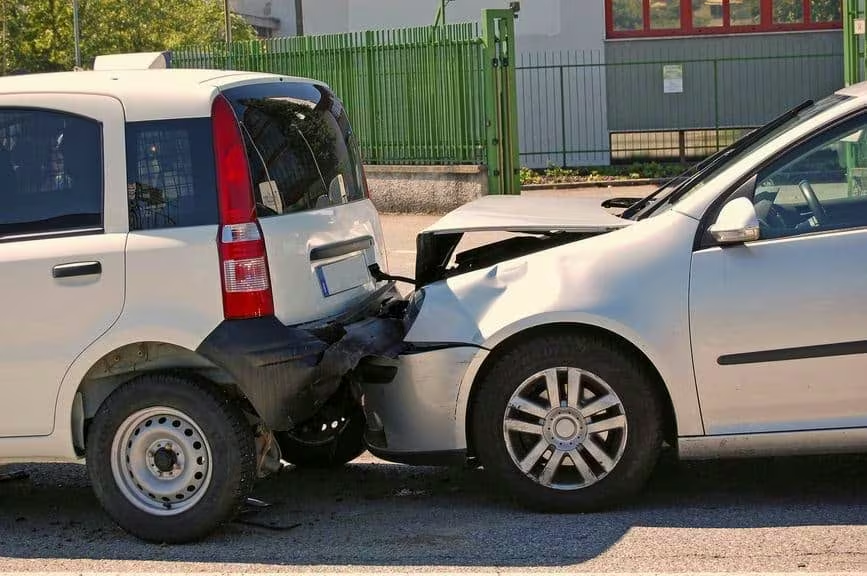
When liability is contested, accident reconstruction experts use the physical evidence, the damage patterns, and the skid marks to rebuild the collision, and biomechanical engineers connect the forces in that collision to the specific injuries you sustained. Cell phone records get subpoenaed when distraction is suspected, because a text timestamped seconds before the crash is about as clean a breach as evidence gets. The at-fault driver's history matters too: prior tickets, a suspended license, earlier wrecks. Each piece answers one specific defense. If your wreck was near a business with cameras, call them this week and ask them to hold the footage.
Identifying All Liable Parties
The other driver is not always the only one who owes you. Louisiana lets you bring a claim against each party whose negligence contributed and who is not immune from suit, and finding all of them changes two things: how much insurance is actually available, and how the fault percentages get divided up.
If the driver who hit you was working at the time, their employer answers for it under respondeat superior (La. C.C. Art. 2320). The Latin means let the master answer, and it holds employers responsible for what an employee does within the scope of the job, when the employer could have stopped the harmful act and failed to. Delivery drivers, sales reps, and commercial operators fall inside it when the company employs them, but a driver the company hires as an independent contractor is not its employee, and this rule does not make the company answer for that driver. Employer liability usually opens a much larger commercial policy.
Brakes, tires, or an airbag that fails on impact can support a product liability claim against the manufacturer or parts supplier, separate from the negligence claim against the driver, but only with proof that the part was defective and that the defect caused or worsened your injuries.
Bad maintenance, missing signage, or a dangerous intersection design can make the state or local body that maintains the road share the liability. The road defect does not have to have caused the crash. It is enough that the defect caused the crash or caused or worsened your injuries, even if another driver started the wreck. That body must also have known or should have known about the defect, had a reasonable chance to fix it, and failed to. Those claims follow the Louisiana Governmental Claims Act, La. R.S. 13:5101, and its procedural rules, including a deadline to request service once suit is filed, are covered on our Shreveport injury lawyers page.
A bar or restaurant that serves an adult of legal drinking age, even one who is visibly drunk, is generally not responsible to the people that driver later hurts; it can be held responsible only in narrow cases, such as serving someone under 21 or forcing or tricking someone into drinking alcohol. Our drunk driving accident page covers those claims.
Knowing who is responsible is only half the picture. Louisiana's own rules, several of which changed in the last two years, decide what those fault findings are actually worth.