What Is a Hit and Run Accident Under Louisiana Law?
A hit and run happens when a driver involved in a crash leaves the scene without stopping and providing identifying information, and under La. R.S. 14:100 that conduct is the crime of hit-and-run driving in Louisiana. The same statute also requires the driver to render reasonable aid when someone is injured.
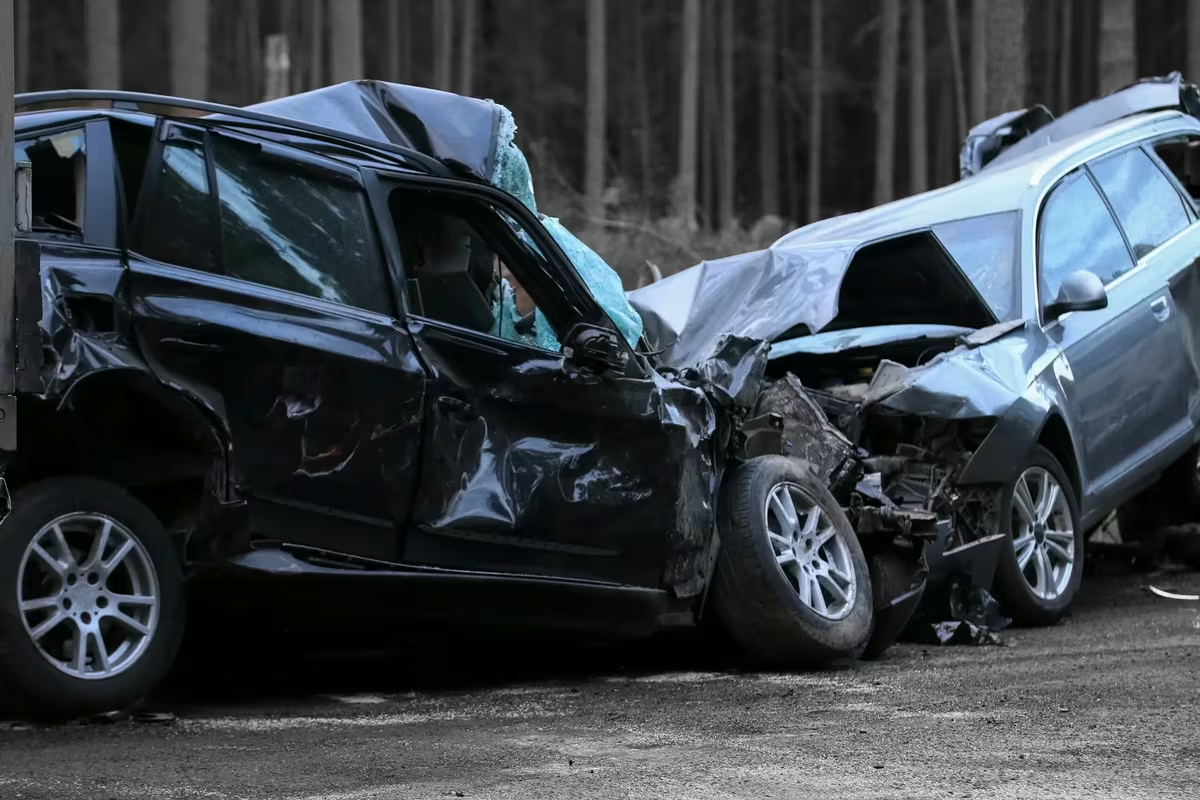
What makes a crash a hit and run is the conduct after impact, not the severity of the wreck. A minor parking-lot scrape and a serious highway collision can both become hit-and-run incidents if a driver fails to stop and identify. The sections below break down the specific duties La. R.S. 14:100 places on every driver in an accident and where those duties get tested.
Duty to Stop at the Scene
Louisiana requires a driver who is part of an accident to stop. This duty applies regardless of who caused the crash. A driver cannot decide on the spot that the collision was the other person's fault and drive off. Stopping is the first obligation under La. R.S. 14:100, and leaving the scene without doing so is the core conduct the statute makes criminal.
The stop has to be meaningful. Pulling forward to a safe spot off the roadway is reasonable. Slowing down, glancing back, and continuing on is not. Whether a driver who claims they did not realize they hit something met the duty turns on what the driver knew or should have known at the moment of impact, which is the kind of fact that gets investigated after the crash.
Duty to Give Identity and Insurance Information
After stopping, a driver must give their identifying information to the other people involved. This includes name, address, and vehicle information. Exchanging this information is what lets an injured person or property owner pursue a claim later. A driver who stops but refuses to provide identification has still failed the duty La. R.S. 14:100 imposes.
This is why a hit and run is so damaging to the injured party. The missing piece is almost always the identity of the at-fault driver. When that information never gets exchanged, the path to holding the responsible party accountable narrows. The whole point of the identification duty is to keep that path open.
Duty to Render Reasonable Aid
When someone is injured in the crash, a driver's duties go beyond stopping and identifying. The driver must render reasonable aid to the injured person under La. R.S. 14:100. That can mean calling for emergency help or arranging transportation for medical care. Reasonable aid does not require a driver to act as a paramedic. It requires the driver not to abandon an injured person at the scene.
A driver who flees while another person lies hurt has failed every layer of the statute at once. The combination of an injury and a fleeing driver is treated far more seriously than a fender-bender where everyone walks away.
What Counts as Leaving the Scene
Leaving the scene is not limited to a high-speed escape. A driver leaves the scene when they fail to stay long enough to perform the duties to stop, identify, and render aid. Driving a short distance and parking can still count if the driver does not return and fulfill those duties. Staying at the scene but giving false information undermines the identification duty and creates its own problems.
The practical test is whether the driver did what the law requires before the encounter ended. A driver who stops, exchanges accurate information, and helps any injured person has met the duties. A driver who does anything less has not. The gap between those two outcomes is where most hit-and-run disputes live.
Hit and Run in a Parking Lot
Parking-lot collisions are a common form of hit and run. A driver who backs into a parked car, scrapes a vehicle while pulling out, or clips a pedestrian in a lot has the same duties to stop and identify. Leaving a note is a familiar courtesy, but the statutory duty is to provide identifying information, and a note that omits required details or gives false information does not satisfy it.
These cases often feel minor to the driver who leaves, which is exactly why they happen. The other vehicle was empty, no one seemed hurt, and driving off felt harmless. Louisiana law does not draw that line. The duty to stop and identify attaches to the collision itself, not to whether the driver judged the damage worth the trouble.