










Ruston wrecks happen on I-20 and its exits, on US-167 and US-80, on LA-33, and along Tech Drive where Louisiana Tech puts students on foot next to the traffic. The injured are taken to Northern Louisiana Medical Center. The Ruston Police Department writes the report inside the city, and the Lincoln Parish Sheriff’s Office writes it outside the limits. Trey Morris Injury Lawyers is at 1831 North Trenton Street, Suite 2, in Ruston, and we handle Grambling, Choudrant, Dubach, and Simsboro cases from here. We order the report, photograph the scene, and, once the facts give an honest basis for it, send preservation letters for any camera footage or commercial vehicle data.
The law that governs the claim is Louisiana law and it is the same in every parish. You have two years from the day you were hurt to file suit (La. C.C. Art. 3493.1), and for accidents on or after January 1, 2026, a finding that you were 51% or more at fault under Art. 2323 ends the claim. We prove negligence under Art. 2315 and fix the record of fault an insurer will use to argue a comparative-fault number.
Results for Louisiana Clients
- $409 MillionWrongful Death
A tragic case where an impaired driver of a commercial vehicle ran a red light, then collided with our client, causing serious bodily injury to the mother and the loss of life of her daughter.
- $49 MillionMotor Vehicle Accident
An impaired driver of a stolen vehicle driving the wrong way collided with our client head-on, resulting in brain injury and multiple broken bones.
- $32,195,000Industrial / Workplace
Failure to maintain proper safety protocols led to an explosion at an industrial plant causing a series of catastrophic injuries from broken bones, burns, spinal injury, and mental anguish.
- $31.5 MillionIndustrial / Workplace
Brain and spinal injuries followed an oil-field company failing to maintain equipment and provide a safe work site.
- $17.25 MillionCommercial Vehicle Accident
Client was struck head-on by a disconnected load of an 18-wheeler that crossed the median causing broken bones and amputation.
- $13 MillionCommercial Vehicle Accident
On the interstate, an 18-wheeler failed to yield right of way then made an unsafe lane change causing the accident which resulted in major bone breaks, damaged organs, and ultimately a leg amputation.
Past results do not guarantee future outcomes; each case is decided on its own facts.

Local Office. Statewide Record.
- 3rd JDC
Where your case is filed
Ruston injury suits are filed in the Third Judicial District Court. We file and try cases there from our Ruston office.
- 11
Trial attorneys, one team
Your case is handled by the firm's own trial attorneys, and we respond in minutes, 24/7.
- 24/7
We come to you
Hospital, home, or the office at 1831 N Trenton St, Ste 2. Free case review, and no fee unless we win.
- 127
Cases resolved over $1 million
Verdicts and settlements of $1 million or more, won by the same trial team that handles Ruston cases.
Types of Claims We Handle
We represent people hurt by the carelessness or wrongdoing of others throughout Ruston and Lincoln Parish. Each case type below has a dedicated Ruston page that covers the law, the local accident patterns, and the proof requirements in depth.
Car accidents. I-20, US-167 (Tech Drive), US-80, and LA-33 give Ruston a steady mix of interstate, commuter, and campus traffic, and rear-end and intersection crashes along Tech Drive are recurring patterns.
Truck and 18-wheeler accidents. I-20 is a major east-west freight corridor, and commercial truck collisions raise issues car crashes don’t: multiple liable parties up the chain of operations, federal FMCSA regulations, and electronic evidence that can be overwritten within days.
Motorcycle accidents. Riders absorb the full force of a collision and then face a second problem: bias from adjusters and juries who assume the rider was reckless.
Bus accidents. School routes and university transit for Louisiana Tech and Grambling State run these arterials daily, and bus claims can involve commercial regulations or government-entity rules depending on the operator.
Slip and fall and premises liability. Premises liability applies when a property owner’s failure to maintain safe conditions causes your injury. Slip-and-fall and other property-hazard claims turn on notice: whether the owner knew or should have known about the dangerous condition.
Catastrophic injuries. Brain trauma, spinal cord injuries, amputations, and severe burns change the structure of a case, not just its size. They require life care planners, economists, and vocational experts.
Construction site accidents. Falls, struck-by incidents, electrocutions, and equipment failures raise workers’ comp and third-party questions at the same time.
Offshore accidents. Maritime law, not ordinary Louisiana tort law, governs many offshore injuries, and the remedies are different.
Workers’ compensation. Workers’ comp is a no-fault system, but it doesn’t cover pain and suffering, and a third party who caused your workplace injury can be sued separately.
Wrongful death. A death caused by someone else’s fault creates two distinct actions: the wrongful death claim belonging to a strict hierarchy of surviving beneficiaries, and the survival action recovering what the deceased could have claimed.
Several other categories come up regularly in Ruston and Lincoln Parish.
Pedestrian and Bicycle Accidents
Ruston has a steady mix of pedestrian and vehicle traffic near Louisiana Tech’s campus, along Tech Drive, and around commercial areas close to I-20 exits. Students walk and bike to class daily, and pedestrians cross busy roads to reach restaurants and retail shops. The volume of foot traffic crossing US-167 during class changes creates high-exposure windows several times each day. Although the speed limit drops through the campus zone, compliance is inconsistent, and drivers who are texting, speeding, or unfamiliar with the area frequently fail to yield at crosswalks that see heavy foot traffic between classes.
Louisiana law requires drivers to exercise due care to avoid striking pedestrians. But comparative fault, Louisiana’s system for dividing responsibility when more than one party contributes to an accident, still applies to the injured person. If you crossed outside a crosswalk or entered the roadway without looking, the defense will argue you share responsibility. The legal question becomes what percentage of fault is yours.
For causes of action arising on or after January 1, 2026, being assigned 51% or more fault means you recover nothing under the amended La. C.C. Art. 2323. That threshold makes early evidence collection and witness statements critical. Surveillance footage from nearby businesses, traffic camera data, and cell phone records can establish exactly what happened.
Dog Bites
Louisiana’s dog bite law makes the owner strictly liable. Under La. C.C. Art. 2321, the owner of a dog is liable for injuries the dog causes that the owner could have prevented and that did not result from the injured person provoking the dog.
Evidence of prior behavior matters. If the dog had bitten someone before, lunged at people on walks, or shown other warning signs the owner knew about, that supports your claim. Ruston’s mix of residential neighborhoods, apartment complexes near campus, and public parks creates situations where dogs and people interact daily.
Homeowner’s or renter’s insurance policies often cover dog bite liability. That means insurance coverage may be available even if the dog owner has limited personal assets.
Product Liability
Louisiana handles defective product claims through the Louisiana Products Liability Act, often shortened to LPLA. The LPLA is the exclusive basis for a claim against a product’s manufacturer, so you can’t use general negligence theories or common-law strict liability to sue the manufacturer.
Three Theories of Recovery
The LPLA recognizes four ways a product can be unreasonably dangerous: in its construction or composition, in its design, because of an inadequate warning, or because it does not conform to the manufacturer’s express warranty (La. R.S. 9:2800.54). A construction defect means the specific product you received deviated from the manufacturer’s own specifications during production. Something went wrong on the assembly line, and your unit came out flawed even though the design itself was sound.
A design defect claim requires proof that an alternative design existed when the product left the manufacturer’s control that could have prevented your injury, and that the likelihood and seriousness of that injury outweighed the burden of adopting the alternative design and any loss of the product’s usefulness.
An inadequate warning claim means the manufacturer failed to use reasonable care to warn about a characteristic of the product that could cause damage. No warning is required for a danger an ordinary user would already know about, or one you knew or reasonably should have known about.
The “Unreasonably Dangerous” Standard
In every LPLA claim, your injury must also have arisen from a reasonably anticipated use of the product, meaning a use the manufacturer should reasonably expect.
The LPLA makes the manufacturer liable. A seller is treated as a manufacturer under the Act when it labels the product as its own or otherwise holds itself out as the manufacturer, exercises control over or influences a characteristic of the product that causes the damage, or is the alter ego of a foreign manufacturer. Otherwise a claim against the store that sold a defective tool in Ruston rests on other law. Comparative fault under La. C.C. Art. 2323 also applies to LPLA claims.
Medical Malpractice
Medical malpractice claims in Louisiana are governed by the Louisiana Medical Malpractice Act. This Act requires that claims against qualified healthcare providers go through a medical review panel before a lawsuit can be filed. The review panel consists of three health care providers, with an attorney chairing it without a vote, and it evaluates whether the provider met the applicable standard of care.
The standard of care is the level of treatment a reasonably competent healthcare provider in the same specialty would deliver under similar circumstances. Falling below that standard, and causing injury as a result, is malpractice.
The panel’s opinion isn’t binding on a court, but it carries real weight with judges and juries. The medical review panel process typically adds several months to over a year to the timeline before a lawsuit can be filed. Under La. R.S. 40:1231.2, total damages against qualified health care providers are capped at $500,000 plus interest and costs, regardless of the severity of the injury; future medical care and related benefits are paid outside the cap through the Patient Compensation Fund. An individual qualified provider is liable for no more than $100,000 of the capped amount.
The filing deadline for medical malpractice is one year from the date of discovery of the injury, with an overall cap of three years from the date of the act. Filing the panel complaint suspends that deadline, but the deadline for filing that complaint is strict.
Nursing Home Abuse and Neglect
Nursing home claims involve injuries or harm caused by staff neglect, inadequate staffing, or intentional misconduct in residential care facilities. Common issues include bedsores from failure to reposition residents, medication errors, falls from inadequate supervision, malnutrition, and dehydration.
Residents are often unable to advocate for themselves. Family members are typically the first to notice signs that something is wrong. Changes in behavior, unexplained weight loss, bruising, and worsening health without clear medical explanation are warning signs that warrant investigation.
Louisiana nursing home claims can proceed under general negligence principles in some cases. Whether a claim falls under the Medical Malpractice Act depends on the facts. The Act’s definitions reach custodial services and failures in staffing, training and supervision, so many neglect claims against a qualified nursing home go through the medical review panel. Staffing records, incident reports, and state inspection reports from the Louisiana Department of Health are key evidence.
If the neglect results in death, the wrongful death framework under La. C.C. Art. 2315.2 governs who can bring the claim and how long they have to file.
Ruston Practice Areas
 Car AccidentsRear-end, intersection, and highway collisions across Louisiana.
 Truck Accidents18-wheeler and commercial-vehicle wrecks governed by federal trucking rules.
 Catastrophic InjuryBrain, spinal-cord, amputation, and severe-burn injuries that change a life.
 Wrongful DeathClaims brought by families after a fatal accident or act of negligence.
 Premises LiabilitySlip-and-fall and unsafe-property injuries on someone else's premises.
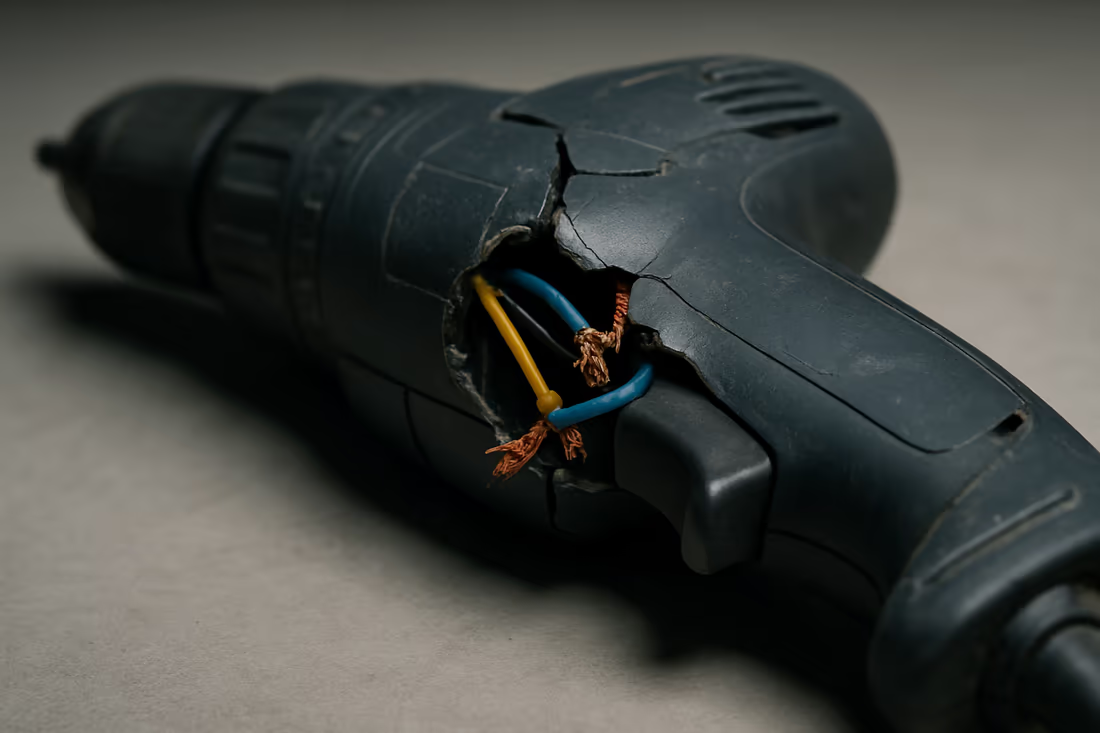 Product LiabilityInjuries caused by defective or unreasonably dangerous products.
 Oilfield AccidentsDrilling, pipeline, and refinery injuries across the energy sector.
 Industrial AccidentsPlant, warehouse, and heavy-equipment injuries in industrial settings.
 Offshore AccidentsRig, platform, and vessel injuries beyond the shoreline.
How Fault Affects Your Recovery
Louisiana doesn’t just ask who caused the accident. It asks how much each person contributed to it. Under Louisiana’s 2025 comparative fault amendment, effective January 1, 2026, enough fault assigned to you can eliminate your recovery entirely.
Proving Negligence
Before fault percentages matter, you have to prove negligence in the first place. Negligence means someone failed to act with reasonable care, and that failure caused harm. In Louisiana, a negligence claim has four required elements. You must prove all four.
Duty comes first. The person or entity you’re suing must have owed you a legal obligation to act with reasonable care. A driver on US-167 owes a duty to other drivers and pedestrians. A property owner owes a duty to people lawfully on their land. Breach is the second element: showing that the person violated that duty. Running a red light is a breach. Failing to repair a known hazard on commercial property is a breach.
Causation is the third element. You must show that the defendant’s breach actually caused your injury: that the harm would not have occurred but for their failure to act with reasonable care.
For injuries occurring on or after May 28, 2025, La. Code Evid. Art. 306.1 eliminated an older legal shortcut known as the Housley presumption. Under the old rule from Housley v. Cerise, 579 So.2d 973 (La. 1991), if you were healthy before an accident and had symptoms afterward, courts could presume the accident caused your condition. That presumption no longer applies, so you have to prove the connection with evidence, usually your medical records and your doctors’ opinions. Insurers will challenge the connection between the accident and your symptoms, especially for soft tissue injuries or conditions with delayed onset.
The fourth element is damages. You must show actual harm, whether that’s medical expenses, lost income, or pain.
The standard of proof in a civil personal injury case is preponderance of the evidence: more likely than not. That is a lower bar than the beyond a reasonable doubt standard used in criminal cases.
Louisiana’s Comparative Fault Rules
The Old Rule: Pure Comparative Fault (Injuries Before January 1, 2026)
For injuries that occurred before January 1, 2026, Louisiana followed a pure comparative fault system under La. C.C. Art. 2323 (pre-amendment). Under pure comparative fault, you could recover damages even if you were 99% at fault. Your award was reduced by your fault percentage, but it was never eliminated.
The New Rule: Modified Comparative Fault with a 51% Bar (Injuries On or After January 1, 2026)
For causes of action arising on or after January 1, 2026, Louisiana now uses a modified comparative fault system under La. C.C. Art. 2323 (as amended by Act 15 of 2025). If you’re assigned 51% or more of the fault, you recover nothing. If you’re assigned 50% or less, your damages are reduced by your fault percentage.
The date of your injury controls which rule applies. Not the date you file your lawsuit. If you were hurt on December 31, 2025, pure comparative fault governs your case. If you were hurt on January 1, 2026, the 51% bar applies. This distinction matters enormously for cases filed in late 2026 and beyond. La. C.C. Art. 2323(D) also requires that juries be instructed on the consequences of their fault allocation. The jury will know that assigning 51% or more fault to you means you get nothing. That instruction changes the dynamics of trial.
Assumption of risk defenses and comparative fault allocation are often the most contested issues in a Lincoln Parish injury claim.
Seat Belt Evidence and Intentional Acts
Evidence that you weren’t wearing a seat belt is admissible in Louisiana civil cases, because the prohibition that used to sit in La. R.S. 32:295.1(E) has been repealed. A defendant can use it for any relevant purpose, including comparative fault allocation and failure to mitigate damages.
If you weren’t buckled up during a crash, the defense can argue your injuries were worse than they would have been, and that you bear some responsibility for that. Under the post-2026 modified comparative fault system, this matters even more. If seat belt non-use contributes enough fault to push your total allocation to 51% or above, you recover nothing under La. C.C. Art. 2323.
Intentional conduct works in the opposite direction. Under La. C.C. Art. 2323, comparative fault does not apply when the defendant acted intentionally. If the person who harmed you committed assault, battery, or a road rage attack, the court will not reduce your damages by any fault percentage.
Injuries That Drive Claim Value
The type and severity of your injury is the single largest factor in determining what your personal injury case is worth. Louisiana settlements tend to track with injury severity, as the settlement overview shows. Catastrophic injuries such as brain trauma, spinal cord injuries, amputations, and severe burns involve the highest damages because they produce the highest costs; each has the Ruston page linked above. The injuries below are the others that appear most often in Ruston and across Lincoln Parish.
Physical Injuries
Injuries that fall below the catastrophic threshold still carry significant value when they’re documented properly and treated consistently. Insurance companies routinely dispute their severity.
Fractures and Broken Bones
Fractures vary widely in severity. A clean break that heals in a cast over six to eight weeks is straightforward. A comminuted fracture, where the bone shatters into multiple fragments, requires surgical hardware like plates, screws, or rods, and that hardware sometimes needs a second surgery for removal.
Complications include delayed union (the bone takes longer than expected to heal), nonunion (the bone fails to heal), and infection. Each complication extends the treatment timeline and increases the total damages. Return-to-work timelines depend on fracture location, job demands, and whether permanent limitations remain after maximum medical improvement.
Soft Tissue Injuries
Soft tissue injuries include sprains, strains, and herniated or bulging discs. Insurance adjusters frequently treat these injuries as minor because they don’t show up on X-rays. That characterization is misleading.
A herniated disc pressing on a nerve root can produce radiating pain, numbness, and weakness in the arms or legs. Treatment ranges from epidural steroid injections to spinal fusion surgery in more serious cases. Strains and sprains to the shoulder, knee, or ankle often require months of physical therapy and, in some cases, arthroscopic surgery. The key to proving a soft tissue injury’s value is consistent medical treatment. Diagnostic imaging, MRI scans in particular, confirms the diagnosis and supports the claim. The prior injuries page explains how prior damage interacts with new soft tissue claims.
Whiplash and Neck or Back Injuries
Whiplash is the most common injury in rear-end collisions. It occurs when the head snaps forward and backward rapidly, straining the muscles and ligaments in the neck. Many whiplash injuries resolve with physical therapy over several weeks. Others progress into chronic pain conditions requiring pain management, injections, or surgery. The severity of the impact doesn’t always predict the severity of the injury. Low-speed collisions can produce significant whiplash injuries, particularly in people with pre-existing neck conditions.
Internal Organ Damage
Internal injuries to the spleen, liver, kidneys, or lungs may not be immediately apparent after an accident. A person might feel sore but attribute it to general trauma. Internal bleeding can become life-threatening before symptoms appear. Seek emergency evaluation after any significant impact, even if you feel no pain at the scene. The damages you can recover include all emergency treatment, surgical intervention, and follow-up care tied to internal injuries.
Damages Available in Louisiana
When you file a personal injury claim in Ruston or anywhere in Louisiana, the word “damages” refers to the money a court or settlement can award you. Louisiana has no statutory cap on damages in most personal injury or auto accident cases against private defendants. Claims against a public body and medical malpractice claims are capped. A detailed breakdown of how damages work in Louisiana personal injury cases is available on the linked page, and a separate page covers whether lawsuit proceeds are taxable.
Economic Damages
Economic damages are the quantifiable financial losses caused by your injury. These are losses you can prove with documentation: bills, records, tax returns, employment records.
Medical Expenses
Past medical expenses include everything from emergency room visits and surgeries to rehabilitation, prescription medication, assistive devices like wheelchairs or braces, home health care, and follow-up appointments.
Future medical expenses cover the treatment you’ll need going forward. A spinal cord injury, for example, often requires years of physical therapy, adaptive equipment, and ongoing specialist care. Your treating physicians or a life care planner testifies to project those costs over your expected lifespan.
In lawsuits filed on or after January 1, 2026, recovery for past medical expenses is governed by La. R.S. 9:2800.27. When a health insurer, Medicare or Medicaid paid the bills, you recover the amounts actually paid plus your own cost sharing, such as deductibles and co-pays. When no insurer paid, as when you were uninsured or treated under a lien or letter of protection, you recover what was paid by you or for you plus the amounts still owed.
That matters because hospitals and providers often bill far more than insurers actually pay. When your attorney negotiates a discount with a provider, your recovery is limited to the discounted amount actually paid.
For lawsuits filed before January 1, 2026, the prior version applies: when a health insurer or Medicare paid the bills, you could also recover 40% of the difference between the billed and paid amounts, an award a court could reduce if the defendant showed it was unreasonable. The date your lawsuit is filed determines which rule controls your case.
Lost Wages and Earning Capacity
Lost wages cover the income you missed because of your injury. Lost future earning capacity is a separate claim. It applies when your injury permanently reduces your ability to earn what you would have earned without the injury.
Non-Economic Damages
Non-economic damages compensate you for losses that don’t show up on a billing statement. Louisiana courts don’t use a formula to calculate non-economic damages. Instead, the assessment is based on severity, duration, impact on daily activities, and permanence of the injury.
Physical Pain and Suffering
This is the most straightforward non-economic category. It covers the actual physical pain your injury caused and continues to cause. Louisiana courts evaluate the intensity of pain, how long it lasts, and whether it’s expected to continue.
Mental Anguish and Emotional Distress
Mental anguish is a recognized category of damages in Louisiana. It covers psychological suffering: anxiety, depression, insomnia, fear, and post-traumatic stress that result from your injury. Post-traumatic stress disorder is common after car accidents, bus accidents, and other sudden traumatic events. PTSD can produce flashbacks, hypervigilance, avoidance of driving or certain roads, nightmares, and emotional numbness that interfere with work, relationships, and daily functioning. Anxiety and depression frequently accompany physical injuries, especially when the injured person can no longer perform activities they once enjoyed. Sleep disturbances are both a symptom and an independent source of suffering that compounds the overall impact.
Psychological injuries require documentation, the same as physical injuries. Treatment records from a licensed therapist, psychologist, or psychiatrist form the foundation, and consistent treatment shows both the existence and the severity of the condition. Because no presumption of causation applies to injuries on or after May 28, 2025, your attorney often needs a qualified mental health professional to explain the diagnosis, its connection to the accident, and the projected cost of future treatment.
Loss of Enjoyment of Life
Louisiana recognizes loss of enjoyment of life as a separate element of non-economic damages. It compensates you when your injury takes away activities that gave your life meaning. If you coached your kid’s baseball team in Ruston and a back injury means you can’t stand on a field for two hours, that’s loss of enjoyment. Courts look at what you did before the injury and what you can do now.
Loss of Consortium
Loss of consortium is a claim that belongs to your close family, not to you: your spouse and children first, then your parents if you have no spouse or child, then your brothers and sisters, then your grandparents. You can read more about how loss of consortium works in Louisiana personal injury cases on our dedicated page.
Disfigurement and Scarring
Visible scars, burns, amputations, and other permanent changes to your physical appearance are compensable. Louisiana courts consider the location of the scarring, its visibility, whether corrective surgery is possible, and the psychological impact of living with visible disfigurement.
Punitive Damages
Louisiana does not allow punitive damages in ordinary personal injury cases. Under La. C.C. Art. 2315.4, exemplary damages are available when a motor vehicle operator’s wanton or reckless disregard caused your injury. That operator must have been intoxicated, and the intoxication must be a cause in fact of the injury.
A few other narrow exceptions exist. Louisiana authorizes punitive damages in cases involving child sexual abuse and a few other situations named in specific statutes. These are narrow statutory carve-outs, not a general rule. Without a Louisiana statute that expressly authorizes them, punitive damages are not part of a personal injury case.
What Ruston Clients Say
- Dakota R.
Where should I start!?Trey Morris Injury Law Firm was a great fit for me! During this wild time of getting into a car wreck, dealing with insurance, and other third parties, Mrs. Brooke and Mrs. Nerren were extremely helpful! They were there for me through the whole process and never once did I doubt their professionalism. They will fight tooth and nail for you and get you what you deserve. I would recommend them to anyone.
- Janet C.
Best personal injury lawyers ever!!!They did everything they said they would do, and never left me wondering what was going on with my case!
- Michael C.
Lane Robinson and his team were great.When he took the accident case for my wife he was very concerned, friendly, and professional. He never gave up but pushed until she was fully compensated for her injuries. We couldn’t be anymore grateful with the outstanding outcome. Thanks Lane
- Ahmillyah T.
I would like to thank Attorney Coleman Nerren for handling my case.I can honestly say he is the best Attorney I’ve ever had. He is caring and straightforward. I spoke with him on and off with throughout my case and received nothing but the highest respect. They will go above and beyond to satisfy their clients. 10/10 will definitely use again and will highly definitely recommend.
- Denise
Handling my case with care and made a stressful situation much easier.Communication was always clear and timely, and I felt like they genuinely had my best interest in mind. I would recommend them to anyone needing legal help.
- Patty P.
Thanks to Kaden for answering all my questions.He was knowledgeable and very polite. Joe and Jamie were also very helpful.
- Meredith F.
Jaime and the Ruston team were fantastic.They were super knowledgeable and answered all my questions!
- Naasia C.
Jaime is very professional!She is very awesome answer all of questions accurately & professionally. I would recommend this place.
- Willie W.
I would like to share this review to the consumer protection group that took my case thank you very much for helping on my case I knew something could be done about the situation but I did not know how to go about it I really appreciate the service that you rendered to me and I will be glad to recommend you guys to anyone and everyone who needs help again thank you very much and you have a great great day.Sincerely Willie [W.] Jr
- Gracyn J.
I was pretty nervous about everything at first, but Attorney Shavers and my case manager Leanna made the whole process a breeze.They were patient, kept me updated, and explained things in a way that made sense. Really glad I chose them!
- Karessa L.
⭐️⭐️⭐️⭐️⭐️ From start to finish, [Trey Morris Injury Lawyers] exceeded all expectations.Everyone from the front desk to the legal team was professional, kind, and truly helpful. They made a stressful situation so much easier to manage and always kept me informed throughout the process. I felt supported every step of the way. Highly recommend this firm to anyone needing injury law representation
- Maram Z.
I just want to express how pleased I am with [Trey Morris Injury Lawyers].Their caring team made a huge difference in my experience. From the moment I reached out, they were attentive and supportive, guiding me through every step of the process. They truly took the time to listen to my concerns and made me feel valued as a client. I highly recommend their services to anyone in need of a compassionate and dedicated legal team!
Testimonials do not constitute a guarantee, warranty, or prediction regarding the outcome of your legal matter. Past results do not guarantee future outcomes.
Louisiana Laws That Change Outcomes
Beyond fault allocation and damage categories, Louisiana has statutory rules that can eliminate a claim entirely, reduce your recovery by six figures, or create procedural traps that close the courthouse door before you get inside.
The Filing Deadline
Louisiana calls its filing deadline a “prescriptive period.” You have two years from the day you were hurt to file suit under La. C.C. Art. 3493.1. Product liability claims under the Louisiana Products Liability Act follow the same two-year period.
Wrongful death claims follow a separate rule. The prescriptive period is the longer of one year from the death or two years from the injury under La. C.C. Art. 2315.2, as amended in 2025; before that amendment, the period was one year from the death.
The clock normally starts on the day you are hurt. Under the discovery doctrine, it can start later in the uncommon case where you could not reasonably have known about the injury or that someone else’s conduct caused it.
Under La. C.C. Art. 3468, prescription runs against minors unless a statute makes an exception, so a parent or tutor has to file within two years of the injury. The main exception is a product liability claim involving permanent disability, where prescription does not run against minors or interdicts (La. C.C. Art. 3493.1).
Insurance Rules
Uninsured and Underinsured Motorist Coverage
Under La. R.S. 22:1295, an auto liability policy generally includes uninsured and underinsured motorist (UM/UIM) coverage at the policy’s bodily injury limits unless a named insured rejected it, chose lower limits or chose economic-only coverage on a form prescribed by the Commissioner of Insurance. Commercial policies follow a different rule.
A form that was signed but not properly completed loses its presumption of validity, and whether you have full coverage then turns on what you meant to choose. Many Ruston residents don’t realize they carry this coverage.
Louisiana’s Minimum Auto Insurance Requirements
Louisiana law requires all registered vehicles to carry liability insurance. Under La. R.S. 32:900, the minimum amounts are $15,000 per person for bodily injury, $30,000 per accident for bodily injury, and $25,000 for property damage. When the at-fault driver carries only minimum coverage, their policy limit becomes a hard ceiling on what their insurer will pay.
Changes to Direct Action
Louisiana historically allowed injured people to sue the at-fault party’s insurer directly in the same lawsuit. Recent legislative changes have restricted this practice. For accidents subject to the new rules, the insurer is not named as a defendant until after the trial concludes. Juries will no longer know which insurance company is behind the defense.
No-Pay, No-Play Law
Louisiana penalizes drivers who don’t carry the required auto insurance through a rule called “No-Pay, No-Play,” codified at La. R.S. 32:866.
For accidents on or after August 1, 2025, an uninsured driver cannot recover the first $100,000 in bodily injury damages and the first $100,000 in property damage. That limit does not apply if the other driver is ticketed for drunk driving from the wreck and then convicted or pleads no contest, caused the wreck on purpose, fled the scene, or was committing a felony at the time (La. R.S. 32:866).
Government Entity Claims
Government entities in the Ruston area include the City of Ruston, Lincoln Parish, the Louisiana Department of Transportation and Development (DOTD), and state institutions like Louisiana Tech University. Claims against these entities carry requirements and potential immunities that don’t apply to private defendants.
If your accident happened on a government-maintained road, the entity responsible for that road may be liable for design defects, maintenance failures, or inadequate signage. In and around Ruston, this can include US-167, LA-33, and portions of I-20 maintained by DOTD.
Under La. R.S. 13:5107(D), service on the government entity must be requested within 90 days after filing your lawsuit, or after filing the amended petition that first names it. Miss that deadline, and the claim against it can be dismissed regardless of its merits, and the suit does not stop the deadline from running against that public body. Claims against a public body are capped at $500,000 per person, not counting medical care, lost earnings, and property damage (La. R.S. 13:5106).
Protecting Your Claim
What you do in the hours and days after an accident has a direct effect on the strength of your personal injury claim. Evidence disappears. Memories fade. Insurance adjusters move fast. These steps apply to car accidents, workplace injuries, slip-and-fall incidents, and any other situation where someone else’s negligence caused you harm.
Steps to Take After an Accident
Once you’re safe, everything you do next becomes evidence.
Report the accident to the appropriate law enforcement agency. For accidents within Ruston city limits, that’s the Ruston Police Department, 401 N Trenton St (318-255-4141). For incidents on parish roads, contact the Lincoln Parish Sheriff’s Office at 161 Road Camp Rd, Ruston (318-251-5111). Interstate and highway crashes, including those on I-20 running through Lincoln Parish, fall under Louisiana State Police jurisdiction. Accident reports for cases prosecuted in Lincoln Parish are filed with the Third Judicial District Attorney’s Office at 100 W Texas Ave, 2nd Floor, Ruston (318-513-6350).
Seek medical attention the same day, even if you feel fine. Northern Louisiana Medical Center (401 E Vaughn Ave, Ruston; 318-254-2100) and local urgent care facilities can evaluate you the same day.
Medical Treatment and Documentation
Your medical records are the backbone of your personal injury claim. They establish three things insurers scrutinize: that you were injured, that the accident caused the injury, and that your treatment was reasonable and necessary. Gaps in any of these areas give the other side ammunition.
Seek treatment promptly. A gap between the accident date and your first doctor visit gives the insurer room to argue your injuries were pre-existing or caused by something else. Follow your doctor’s treatment plan completely. Attend every appointment. If your doctor refers you to a specialist or prescribes physical therapy, follow through. Skipping appointments creates a record suggesting your injuries weren’t serious enough to prioritize care.
Document every symptom yourself, too. Keep a daily journal noting your pain levels, limitations on daily activities, sleep disruption, and emotional effects. This personal record supplements the clinical notes your doctors create. Calculating damages (including future medical care costs) requires that level of detail to make your claim concrete.
Because no presumption of causation applies to injuries on or after May 28, 2025, thorough, consistent medical documentation is even more critical, and your treating physician’s testimony carries direct weight on whether causation is established.
Insurers routinely request an independent medical examination, commonly called an IME. The name is misleading. The doctor conducting the IME is selected and paid by the insurance company. Their role, in practice, is to minimize the severity of your injuries or dispute whether the accident caused them. Under most policy terms, you are required to attend if the insurer requests it, but you can bring someone with you and request a copy of the report.
Preserving Evidence
Evidence has a shelf life. Dashcam footage gets overwritten. Surveillance video from nearby businesses is recorded over within days or weeks. Vehicle damage is repaired. The sooner evidence is collected and preserved, the stronger your position.
Key evidence to preserve includes scene photos, dashcam and surveillance footage, the damaged vehicle itself, clothing worn at the time of injury, witness contact information, all medical bills and records, and any correspondence with insurance companies. Don’t throw anything away. Don’t repair your vehicle until it has been thoroughly photographed and, if necessary, inspected by an expert.
Louisiana courts recognize intentional spoliation of evidence as a tort grounded in La. C.C. Art. 2315, the state’s general tort provision, with the intentional spoliation doctrine developed through Louisiana case law interpreting that article. See, e.g., Pham v. Contico Int’l, 759 So.2d 880 (La. App. 5th Cir. 2000). Spoliation means the deliberate destruction or alteration of evidence relevant to a legal claim. If a party intentionally destroys evidence, courts impose an adverse presumption. That means the court can assume the destroyed evidence would have been harmful to the party that destroyed it.
However, Louisiana does not recognize negligent spoliation as a separate cause of action. The Louisiana Supreme Court rejected that theory in Reynolds v. Bordelon, 2014-2362 (La. 6/30/15), 172 So.3d 589. If evidence is lost through carelessness rather than intent, the available remedies include discovery sanctions, an adverse presumption against a party that had access to the evidence and failed to produce it, breach of contract claims, or criminal sanctions.
Insurance Company Tactics
The most common tactic is the quick settlement offer. Once you accept a settlement, you sign a release that ends the claims it covers, and insurers write releases to cover everything from the incident. You’re not legally required to give a recorded statement to the other driver’s insurer.
From Claim to Resolution
A personal injury case moves from an initial injury through investigation, negotiation, and, if necessary, a courtroom verdict. The speed depends on your injuries, the complexity of the facts, and whether the case settles or goes to litigation.
Timeline of a Case
A personal injury case moves through distinct phases.
Investigation and Evidence Gathering
Your attorney begins by collecting evidence: the accident report, photographs, witness statements, surveillance footage if available, and any relevant records. Evidence degrades, witnesses forget details, and physical evidence at the scene gets cleaned up or altered. Investigation preserves the record your case is built on.
Medical Treatment and Maximum Medical Improvement
You continue treating with your doctors. Your attorney monitors your progress. The goal is to reach what’s called maximum medical improvement, or MMI. That’s the point where your condition has stabilized and further treatment won’t produce significant change. Your attorney can’t fully value your claim until you reach MMI, because the full scope of your injuries isn’t clear until then.
Demand and Negotiation
Once you’ve reached MMI, your attorney compiles a demand package. The insurer responds, and a negotiation period follows. Straightforward cases with clear liability and documented injuries may resolve during this phase.
Filing Suit and Litigation
If negotiations don’t produce a fair result, your attorney files a lawsuit. Cases filed in the 3rd Judicial District Court in Lincoln Parish follow Louisiana’s discovery and trial scheduling rules. Cases that go to suit commonly take one to two years or longer to reach resolution.
Settlement vs. Trial
The large majority of personal injury cases settle before trial. That doesn’t mean settlement is always the right outcome. It means both sides usually find a resolution once the evidence is fully developed and the risks of trial become clear.
When Settlement Makes Sense
Settlement tends to favor the injured person when liability is clear and undisputed, when injuries are well-documented and supported by medical evidence, or when the case value falls within or near the defendant’s policy limits. Clients who prefer certainty over a jury’s unpredictability, or who need faster resolution while bills accumulate, often find settlement the right outcome. Comparative fault exposure is one of the central factors in weighing a settlement offer.
When Trial Is the Better Path
Trial becomes the better option when the insurer refuses a fair amount or when liability is genuinely disputed. It is also the right path when the claim’s value significantly exceeds what the insurer will pay voluntarily. High-value claims with clear evidence sometimes warrant jury consideration because a verdict can exceed what an insurer would offer in negotiations.
Mediation
Before trial, many cases go through mediation, where a neutral mediator helps both sides explore settlement. In the 3rd JDC, mediation may be voluntary or court-ordered, and the court’s pretrial conference process includes mandatory mediation in many civil matters. Mediation timelines, discovery deadlines, and trial settings vary depending on the division your case is assigned to.
Trial Basics in Louisiana
Louisiana civil trials have distinctive rules. Under La. C.C.P. Art. 1732, you’re entitled to a jury trial when the amount in dispute exceeds $10,000 per individual petitioner. Below that threshold, a judge decides your case. Civil juries in Louisiana don’t require unanimity. Under La. C.C.P. Art. 1797, a verdict requires concurrence of 9 of 12 jurors. If the parties agree to a six-person jury, 5 of 6 must concur. This is different from criminal cases and from most other states’ civil procedures.
Accidents in Ruston and Lincoln Parish
Ruston sits at a geographic crossroads in north Louisiana. Interstate 20 runs through the city, connecting it to Monroe to the east and Shreveport to the west. US-167 cuts north-south through the center of town, running directly through the Louisiana Tech University campus. These corridors bring commercial trucks, commuters, and college students into constant proximity. That combination creates real risk. Inside Ruston city limits, residential neighborhoods like Cooktown sit close to the I-20 corridor; Lincoln Parish communities outside the city (Hico, Vienna, Choudrant, Dubach, Simsboro, and Grambling) feed traffic onto the same arterials. Severe trauma cases are typically stabilized at Northern Louisiana Medical Center in Ruston and transferred to Ochsner LSU Health Shreveport, the closest Level I trauma center, roughly 70 miles west on I-20.

Lincoln Parish is home to roughly 47,000 residents, with Ruston accounting for about half of that population. The presence of Louisiana Tech and Grambling State University means the area’s population swells during the academic year. More people on the road means more collisions. More pedestrians near campus corridors means more exposure to vehicles.
Dangerous Roads and Intersections
Interstate 20 is the highest-speed, highest-volume road running through Ruston. Between Shreveport and Monroe, it carries heavy commercial truck traffic around the clock. US-167, locally known as Tech Drive through much of Ruston, is the primary north-south corridor through town and passes directly through the Louisiana Tech campus, with a constant mix of commercial vehicles, student drivers, pedestrians crossing to class, and cyclists sharing the roadway.
US-80 runs east-west through the southern portion of Ruston and carries local commercial traffic between smaller communities in Lincoln Parish. LA-33 connects Ruston to areas south of town and sees regular commuter use. Both roads feature sections with limited shoulders, no median barriers, and intersections controlled only by stop signs.
LADOTD crash data for Lincoln Parish reflects seasonal variation that tracks with the university calendar. September through November and late January through April show elevated collision rates. This corresponds with the fall and spring semesters when the student population is at its peak.
Louisiana Tech and Campus Injuries
Louisiana Tech University is a state institution. That single fact changes how injury claims work on campus property. If you’re injured by a hazardous condition on campus or by a university employee acting in an official capacity, your claim is against a government entity and falls under the government entity rules above, including the 90-day service deadline under La. R.S. 13:5107.
On the Louisiana Tech campus, premises claims include slip-and-fall incidents on poorly maintained sidewalks, inadequate lighting in parking lots or walkways, and hazardous conditions in buildings open to the public. The university has an obligation to keep its property reasonably safe for students, employees, and visitors. Proving a breach of that obligation requires documenting the specific condition and evidence that the university knew or should have known about it, had a reasonable chance to fix it, and did not (La. R.S. 9:2800). How long the condition existed is often the proof that the university should have known.
Off-campus injuries involve different legal analysis. Accidents at private rental properties, fraternity or sorority houses, and commercial venues near campus don’t trigger government entity rules. Instead, private-party liability applies. Landlords who fail to maintain safe premises, event hosts who serve alcohol to minors, and business owners who neglect security all face negligence claims. The distinction between state property and private property determines which rules govern your case, including your deadline, your burden of proof, and the procedural steps your attorney must follow.
Local Courts and Legal Process
Most Ruston-area injury cases are filed in the 3rd Judicial District Court, the general jurisdiction trial court for civil matters, which serves Lincoln and Union Parishes and sits at the Lincoln Parish Courthouse, 100 W Texas Ave, Ruston, LA 71270. Ruston City Court can hear a civil case only when the amount in dispute is $50,000 or less, and the district court can hear those smaller cases too (La. C.C.P. art. 4843). Any larger claim belongs in the district court.

Your Ruston Trial Team
The lawyers who work your file. Every Ruston case is handled by the firm's own trial attorneys.











Free Consultation, No Upfront Cost
You don’t pay attorney fees unless your case results in a recovery. That arrangement is called a contingency fee. Instead of billing you by the hour, the attorney receives a percentage of whatever compensation you recover through settlement or verdict. If the case doesn’t result in a recovery, you don’t owe attorney fees.
Case costs are separate from the fee percentage. Filing fees, expert witness fees, and medical record retrieval are typically deducted from the recovery in addition to the percentage, which affects the net amount you take home.
What to Bring to Your Consultation
Come prepared with whatever you have. Don’t worry if you’re missing some items.
- Photos from the scene. Damage to vehicles, road conditions, visible injuries, anything you captured on your phone at or near the time of the incident.
- Police or incident report. Officers typically provide a report number at the scene. You can request a copy from the responding agency if you don’t have one yet.
- Medical records and bills. Emergency room discharge papers, imaging results, prescriptions, and any follow-up treatment records help establish the connection between the incident and your injuries.
- Insurance correspondence. Letters, emails, or recorded statement requests from any insurance company involved. If an adjuster has already contacted you, bring notes on what was discussed.
- Communication from the other party. Texts, voicemails, or letters from the person or business involved in your injury.
Your attorney can help obtain what’s missing.
You can reach Trey Morris Injury Lawyers by phone or through the contact form on the Trey Morris Injury Lawyers website. If you’d like to learn more about the types of cases handled, visit the practice areas page.