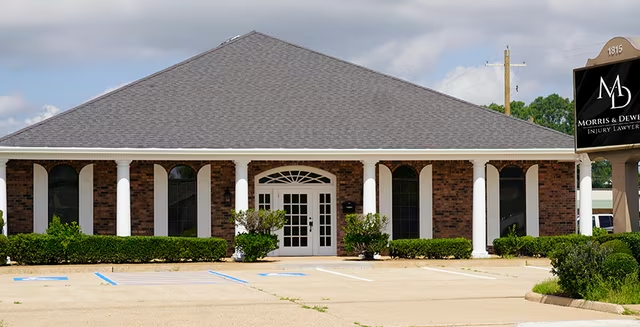
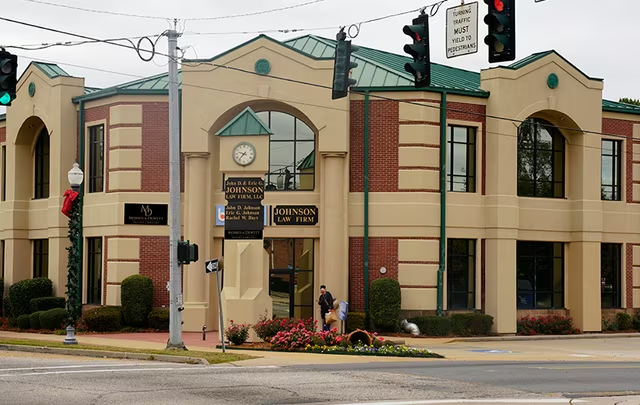
Trey Morris Injury Lawyers represents people hurt in car accidents across Louisiana, from six offices in Shreveport, Bossier City, Minden, Ruston, Covington, and Lake Charles. A Louisiana car crash is a two-year claim under La. C.C. art. 3493.1, and for wrecks on or after January 1, 2026 a 51% fault finding under art. 2323 ends recovery. Trey Morris Injury Lawyers builds that file from scene photographs, the police report, and preservation letters before anyone gives the other driver's insurer a recorded statement. A preservation letter is a formal legal demand that asks the other driver, an insurer, or a business to keep the footage, vehicle data, and records from the crash.
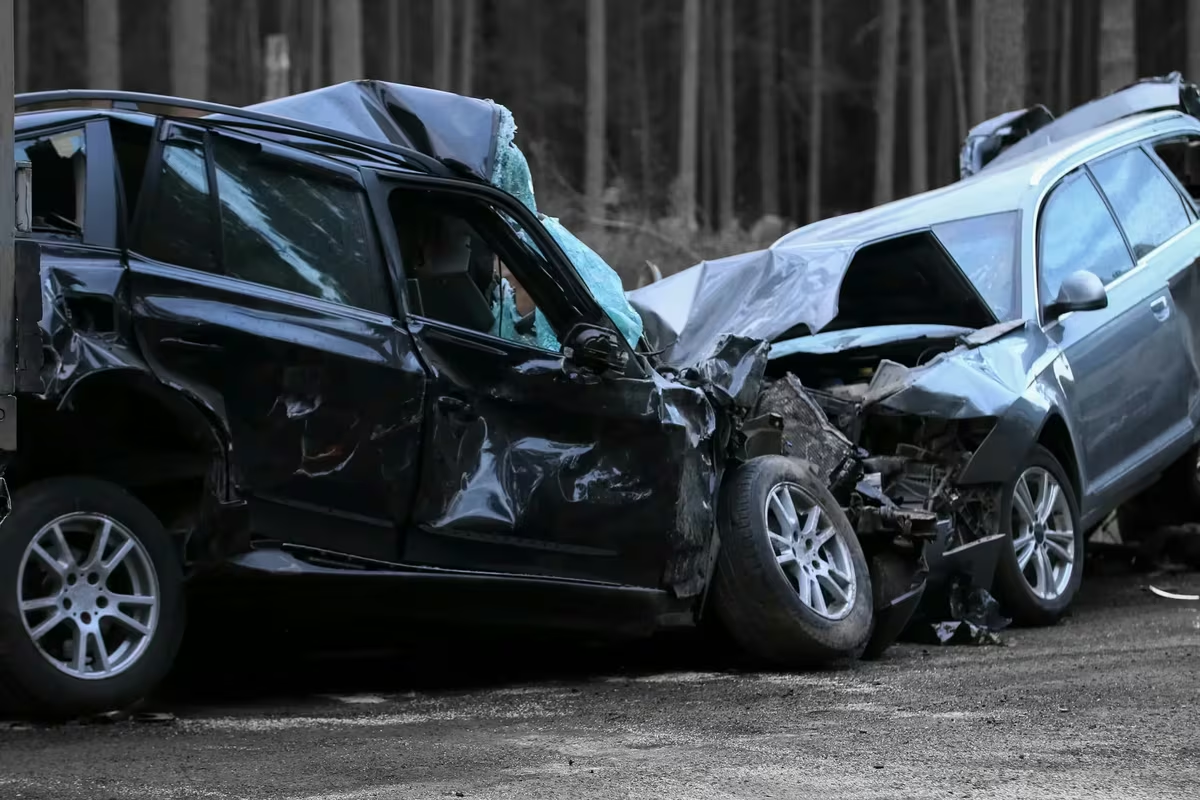
Rear-end collisions are the most common type. Fault is often clearer, but insurers still dispute injury severity and causation. T-bone crashes at intersections frequently involve disputed right-of-way and traffic signal evidence. Head-on collisions tend to produce the most serious injuries and are often linked to driver impairment or wrong-way driving. Sideswipe accidents on interstates commonly involve lane-change disputes where both parties claim the other moved first.
Multi-Vehicle Pileups
Multi-vehicle pileups on Louisiana interstates raise chain-reaction liability questions. Rollovers often involve speed and road condition factors. Distracted driving crashes, particularly phone-use collisions, leave a recoverable evidence trail in cell phone records. Drunk driving cases may support separate punitive damages under La. C.C. Art. 2315.4.
Hit-and-Run and Uninsured Drivers
Hit-and-run accidents and crashes involving uninsured drivers follow a different claims path. UM/UIM (uninsured/underinsured motorist) coverage is part of your own car insurance. It pays you when the driver at fault has no insurance (UM) or not enough insurance (UIM) to cover your losses. A personal car insurance policy includes it unless the policyholder signed a form that turned it down, chose lower limits or chose economic-only coverage. Economic-only coverage pays for losses like medical bills and lost wages but pays nothing for pain and suffering. A commercial policy, such as one on a work truck, has no UM coverage unless the policyholder chose it on the form. If you were in a car you own, your own UM/UIM policy is usually where the claim starts. If you were riding in or driving a car that you, your spouse or a relative living with you does not own, such as a friend's car or a work truck, that car's UM coverage pays first if it has any. Your own UM coverage can pay once that car's coverage runs out, or if that car has no UM coverage (La. R.S. 22:1295). The process differs from standard third-party claims.
Commercial Vehicle Collisions
Commercial vehicle collisions involve additional layers: employer liability, federal safety regulations, and insurance policies with higher limits. When a large commercial truck is involved, see our big truck accident lawyers page for the specific issues those cases raise.
Rural Roads
Louisiana rural roads deserve separate attention. Rural interstates and two-lane state highways account for a disproportionate share of fatal crashes relative to the population they serve. Lower traffic volumes create a false sense of safety, but emergency response times are longer and road conditions are often worse. If your crash happened on a rural highway, that context matters for how evidence is gathered and how quickly.
Learn more about the injuries that commonly result from these crashes at our car accident injuries resource.