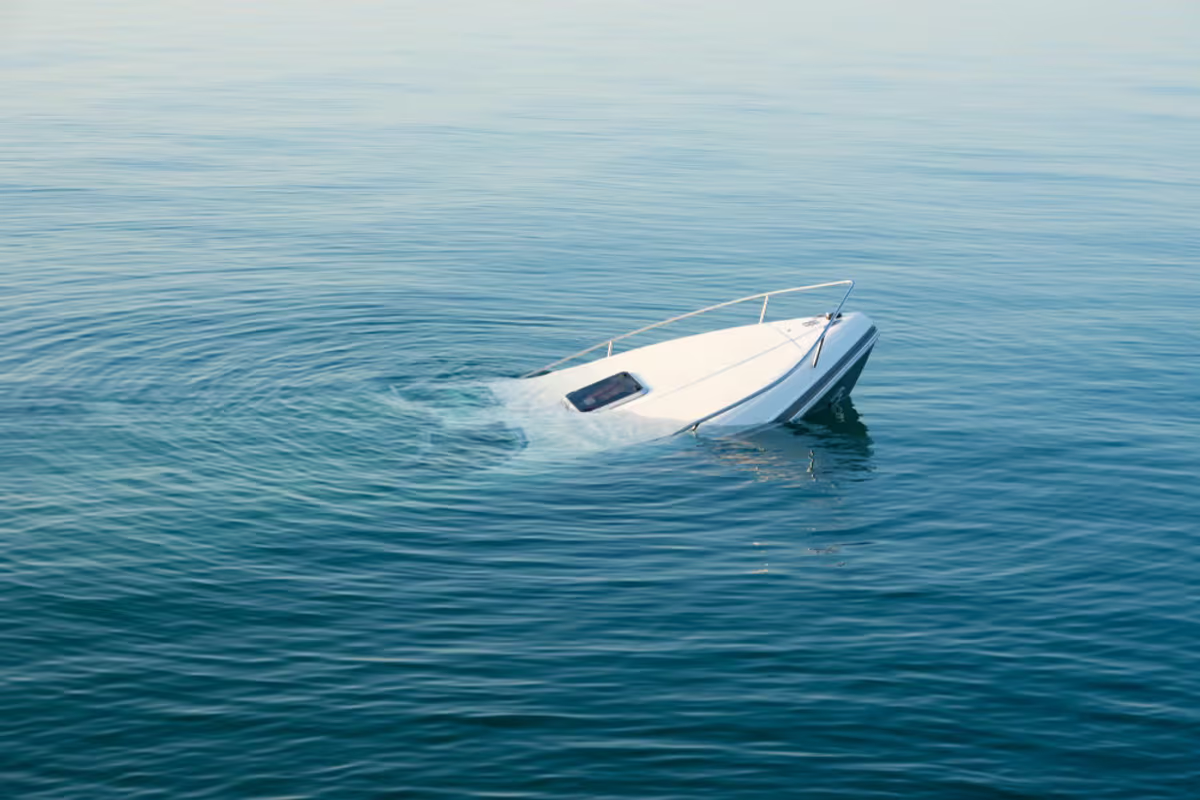
Louisiana private boat accidents involve fishing boats, pontoon boats, ski boats, jet skis, houseboats, sailboats, and kayaks. The type of boat and how the accident happened affects both liability and the complexity of the claim.
Fishing Boat Accidents
Bass boats, flat-bottom boats, and jon boats are the most common vessels on Louisiana bayous and lakes. These boats sit low in the water and are vulnerable to wakes from larger vessels. Collisions, capsizing, and falls overboard account for most fishing boat injuries. Louisiana's extensive bayou system means many fishing boat accidents happen in narrow waterways with limited visibility around bends.
Fishing boat operators on shared waterways must maintain a proper lookout and operate at safe speeds. When another vessel's wake capsizes a fishing boat, the operator of that vessel may be liable if they were operating at excessive speed or in violation of no-wake zone rules.
Pontoon Boat Accidents
Pontoon boats are common on Toledo Bend, Cross Lake, and Lake Bistineau for family outings and social gatherings. Their open deck design means passengers move freely, which increases the risk of falls overboard. Overcrowding is a frequent factor in pontoon boat accidents because owners often load more passengers than the vessel is rated to carry.
The U.S. Coast Guard requires a capacity plate on every boat. Exceeding that rated capacity is negligence. If you were injured on an overcrowded pontoon boat, the operator and the boat owner both have potential liability.
Ski Boat, Wakeboard, and Towed Water Sport Accidents
Towed water sport injuries involve a unique set of risks. The operator must divide attention between the skier or wakeboarder and other vessels. Collisions with the tow rope, propeller contact during falls, and high-speed impacts on the water cause serious injuries including spinal cord trauma and traumatic brain injuries.
Louisiana law requires ski boat operators to have an observer in addition to the driver. An operator who tows a skier without a spotter violates this rule and assumes additional liability for any resulting injuries.
Personal Watercraft Accidents
Jet skis and other personal watercraft cause a disproportionate number of boating injuries relative to their numbers on the water. Ejection, collision with other vessels, and striking fixed objects account for most PWC injuries. Louisiana requires PWC operators to follow the same boating laws as other vessel operators, including minimum age and boater education requirements.
Rental companies that put inexperienced riders on high-powered watercraft without proper instruction face liability under negligent entrustment theories. The liability theory is different from a standard operator negligence claim.
Houseboat, Sailboat, and Non-Motorized Vessel Accidents
Houseboats on Toledo Bend and Lake Bistineau present risks including carbon monoxide exposure from generator exhaust, dock fires, and collisions while maneuvering. Carbon monoxide from generators and engines accumulates in enclosed cabin spaces without warning. Multiple fatal CO poisoning incidents on houseboats have involved children and adults who had no idea the danger existed.
Sailboats and catamarans face boom strike injuries and capsizing in sudden wind shifts. Kayaks and canoes are vulnerable to collisions with motorized vessels, especially in high-traffic areas where larger boats create dangerous wake conditions. Non-motorized vessels have no engine noise to alert other operators, making them harder to detect.