Types of Traumatic Brain Injuries Treated at Fort Worth Hospitals
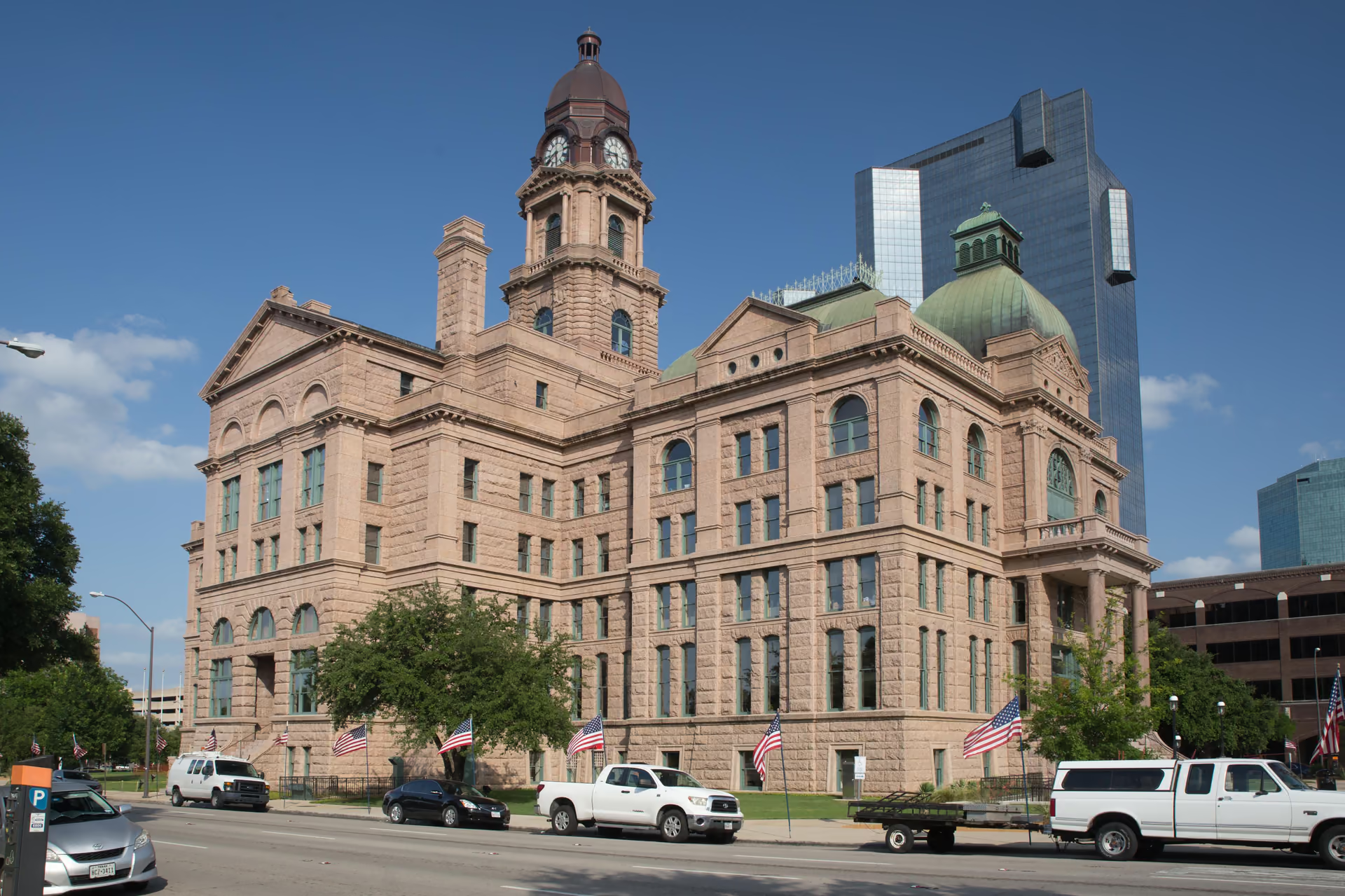
Trey Morris Injury Lawyers represents people with a brain injury from a wreck or fall in Fort Worth and Tarrant County. Fort Worth brain injuries come out of highway-speed crashes on I-30, I-35W, I-20, and Loop 820, and out of falls and struck-by incidents in the warehouses and construction sites of the Alliance Airport logistics corridor on the north side. The injured are taken to JPS Health Network on South Main Street or to Texas Health Harris Methodist Hospital Fort Worth on Pennsylvania Avenue, both Level I trauma centers, and children go to Cook Children's Medical Center. Inside the city limits the Fort Worth Police Department writes the crash report; outside them it is the Tarrant County Sheriff's Office. A Tarrant County brain injury suit is filed in the Tarrant County Civil District Courts at 100 North Calhoun Street, and the District Clerk on the second floor of the same building holds the record. Trey Morris Injury Lawyers requests the crash report and the admission records, including the Glasgow Coma Scale score recorded at arrival, sends preservation letters for the vehicles and any event data, and asks whether a neurology follow-up was ordered, because a gap in treatment after discharge is the first thing an insurer points to. We send those letters once the facts give us a sound basis for them, because moving as promptly as the law permits is what keeps that evidence intact and within reach. The vehicles and their event data can show how fast each one was going and whether anyone braked, which helps establish who caused the crash and how hard the impact was.
Texas law governs the claim, and it reads the same in Tarrant County as in every other county in the state. A Fort Worth traumatic brain injury is a two-year filing under CPRC Section 16.003(a), and a claimant assigned more than 50% of the fault under CPRC Chapter 33 recovers nothing. Brain injuries differ from other personal injury cases in one concrete way: the damage is not always visible on imaging and does not always appear immediately, which creates evidentiary problems a broken bone never raises. Those problems are solvable, and we solve them by proving the injury from imaging and neuropsychological testing so a defense expert cannot treat a normal CT as no injury.
TBI
Traumatic Brain Injury. Any injury to the brain caused by an external force or event. Ranges from concussion to severe permanent cognitive disability. Symptoms can be delayed by hours or days after the incident.
TBI falls into several recognized categories, each with distinct clinical presentation and evidentiary challenges.
A concussion is a mild TBI. The brain functions are temporarily disrupted, but structural damage may not appear on a CT scan. This does not mean the injury is insignificant. Concussions cause real cognitive and behavioral changes. Symptoms can persist for weeks or months. Insurers routinely undervalue these cases because they look invisible.
Coup-contrecoup injuries occur in vehicle collisions. The brain impacts the skull on one side from the initial blow, then rebounds into the opposite side. One collision creates two injury sites. Both must be documented and argued as one compensable injury.
DAI
Diffuse Axonal Injury. Brain damage caused by rapid acceleration-deceleration forces that shear axonal connections throughout the brain. Often produces no visible lesion on standard CT imaging. Diagnosed by MRI with diffusion tensor imaging (DTI).
DAI is the most difficult TBI category to prove. It leaves no visible lesion on a standard CT. The defense uses this to argue the injury is exaggerated or pre-existing. The diagnostic tool is MRI with diffusion tensor imaging, which standard emergency imaging does not include.
Penetrating brain injuries result from skull fractures or object penetration. These are immediately visible on imaging and are surgical emergencies treated at JPS Health Network, the only Level I Trauma Center in Tarrant County. Cook Children's Medical Center handles pediatric cases. UT Southwestern Medical Center in Dallas provides specialist referrals for complex neurosurgical presentations.
Anoxic and hypoxic brain injuries result from oxygen deprivation caused by drowning, cardiac arrest induced by a negligent act, or strangulation. These are legally compensable when negligence caused the deprivation. In Fort Worth industrial accident cases, toxic fume exposure in enclosed spaces can produce acquired brain injury through chemical neurotoxicity.