


All posts
More insights — page 2
- recognition

2025 Case Results Submitted to TopVerdict
Trey Morris Injury Lawyers submitted its 2025 case results to TopVerdict for independent ranking. The firm recorded 63 outcomes of $500,000 or more in 2025, 26 of them $1 million or larger.
Read - recognition

An AV Preeminent rating from Martindale-Hubbell
Martindale-Hubbell awarded Trey Morris Injury Lawyers its AV Preeminent rating — the highest peer rating for legal ability and ethical standards, drawn from confidential reviews by other attorneys and judges.
Read - recognition

Voted Shreveport-Bossier's Best Personal Injury Law Firm
Trey Morris Injury Lawyers was voted Best Personal Injury Law Firm in the Shreveport-Bossier Choice Awards for 2024 and 2025.
Read - safety

Top 10 Most Dangerous Jobs in America in 2023
According to the Bureau of Labor Statistics, 5,283 U.S. workers died from work-related injuries in 2023, roughly one death every 99 minutes. Logging workers had the highest fatal injury rate at 98.9 deaths per 100,000 workers. The overall fatal work injury rate was 3.5 per 100,000 full-time equivalent workers, down from 3.7 in 2022, though risk varies sharply by occupation.
Read - safety

Truck Accident Statistics: Key Facts and Trends in the United States
This page compiles U.S. truck-accident data: over 14 million large trucks share the roads, weighing 20 to 30 times more than passenger vehicles, and 89% of those killed in large-truck collisions are not in the truck. It reports 184,058 truck crashes in 2023, notes more crashes on weekdays than weekends, and tracks fatality and injury trends across recent years.
Read - legal

What are the Legal Definitions of Slander and Defamation?
The difference between slander, libel, and defamation, what a defamation claim has to show, and the damages a person harmed by false statements may recover.
Read - legal

Beasley v. O’Reilly Auto Parts: Case Decision
In Beasley v. O'Reilly Auto Parts, the Eleventh Circuit held that an ADA failure-to-accommodate claim requires an adverse employment action, splitting from the Tenth Circuit.
Read - updates

New Laws Make It Harder to Sue Trucking Companies
Recent legislation in states including Texas, Florida, and Iowa restricts crash victims' ability to sue trucking companies and can cap compensation. This article examines those laws, noting Texas passed a 2021 law requiring a bifurcated trial so a company cannot be sued for its role until the driver is found liable. It presents both the industry's rationale and critics' accountability concerns.
Read - legal

Does Publisher’s Clearing House Deceive Consumers?
The FTC's 2023 case against Publishers Clearing House over dark patterns, misleading email subject lines, and privacy misstatements, and the $18.5 million order that resolved it.
Read - legal
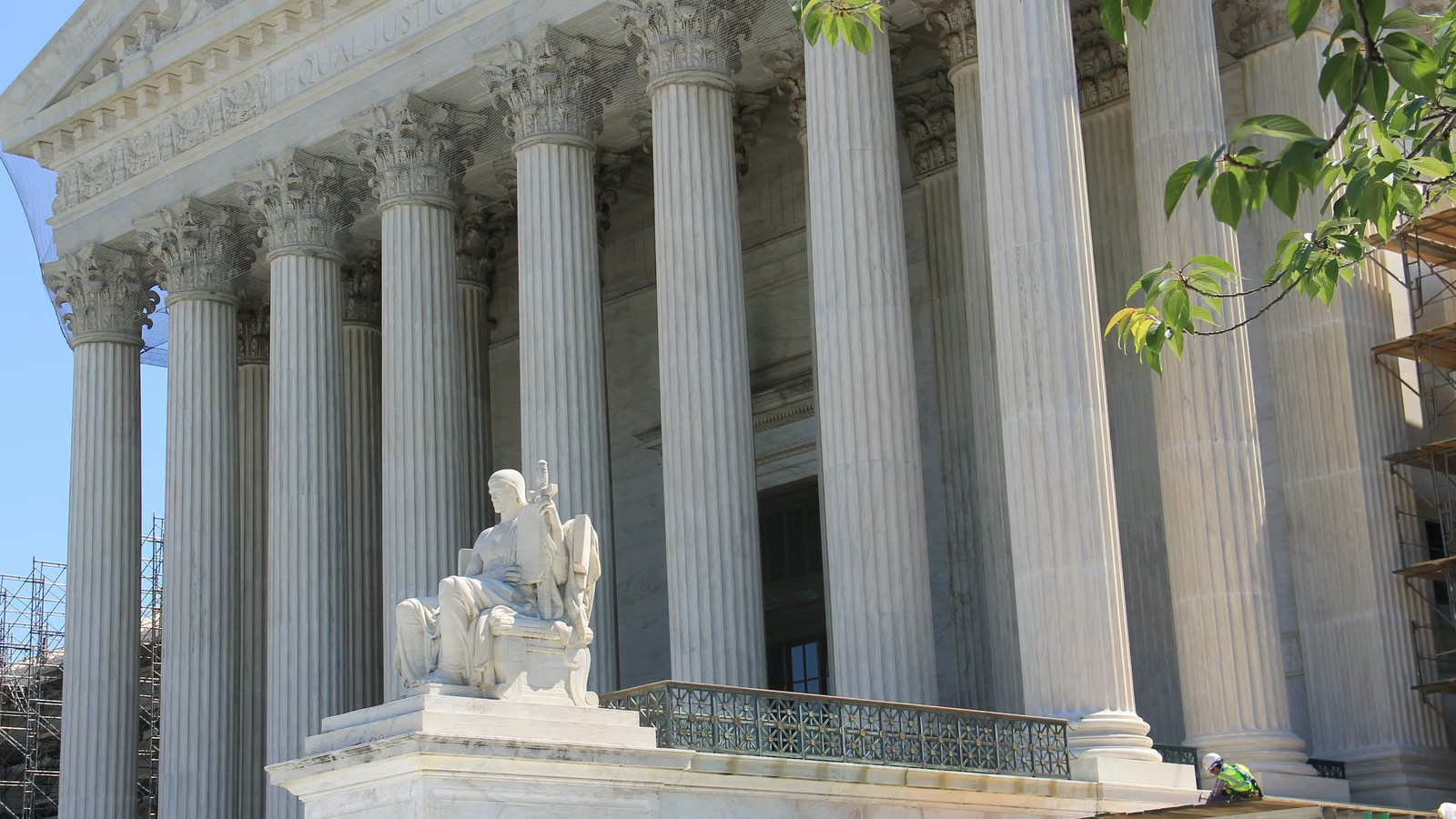
SCOTUS Ruling on Expressive Services
In 303 Creative v. Elenis, the Supreme Court held 6-3 that Colorado could not compel a website designer to create wedding websites that conflict with her beliefs.
Read - updates

Texas Has Expanded Its Trucking Laws
Texas recently passed three new laws giving local police agencies authority to enforce commercial-vehicle overweight rules, with fines from $100 to $10,000. The measures, including House Bill 2901, extend enforcement to areas like Orange County, Waller County, and Mesquite after state resources shifted to the border. This page details the laws, their local effects, and trucking-industry concerns about fair enforcement.
Read - legal
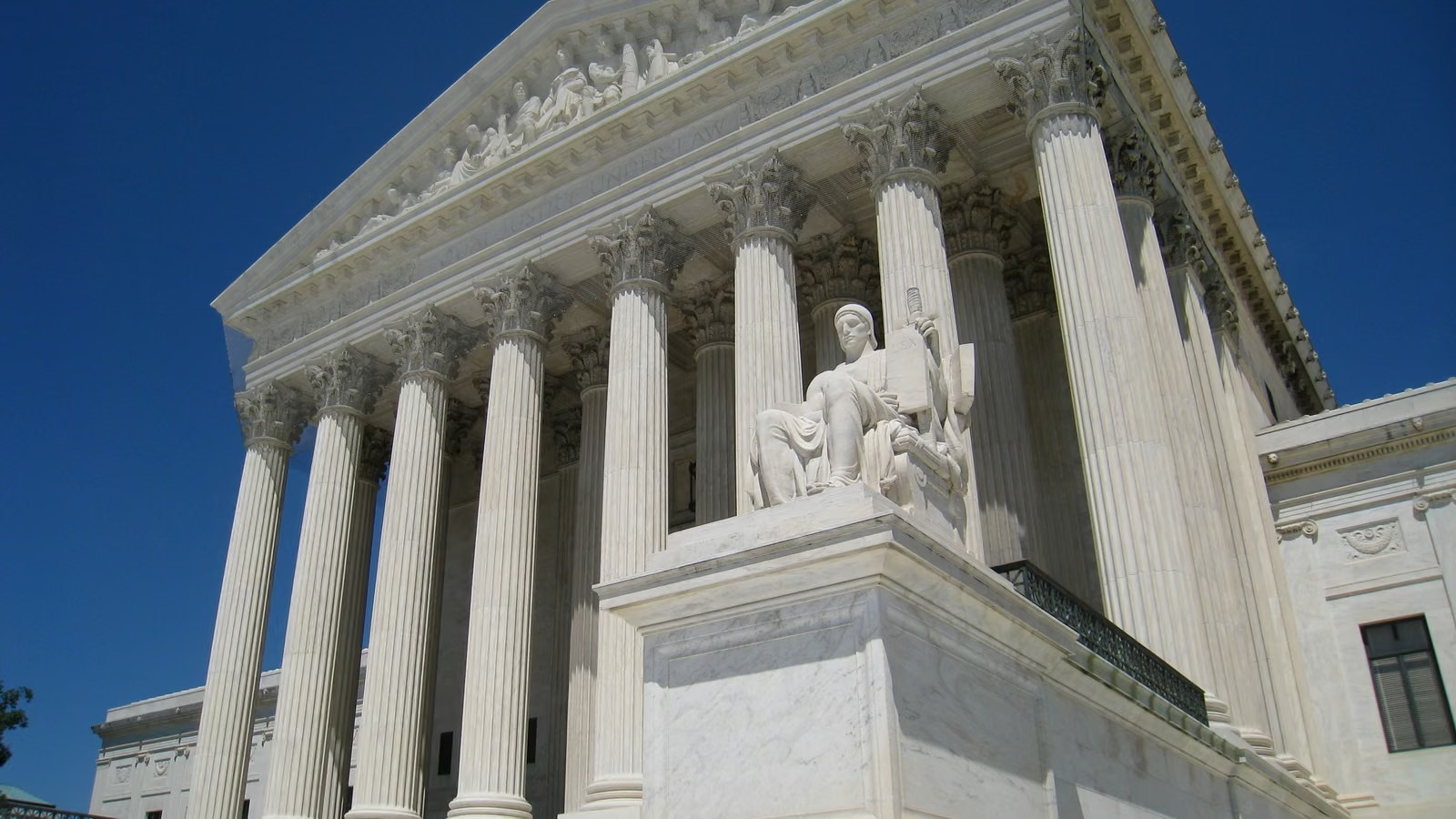
SCOTUS on Affirmative Action in Admissions
The Supreme Court's June 2023 ruling that Harvard's and UNC's race-conscious admissions programs violate equal protection, the separate opinions, and how Asian Americans view it.
Read - community
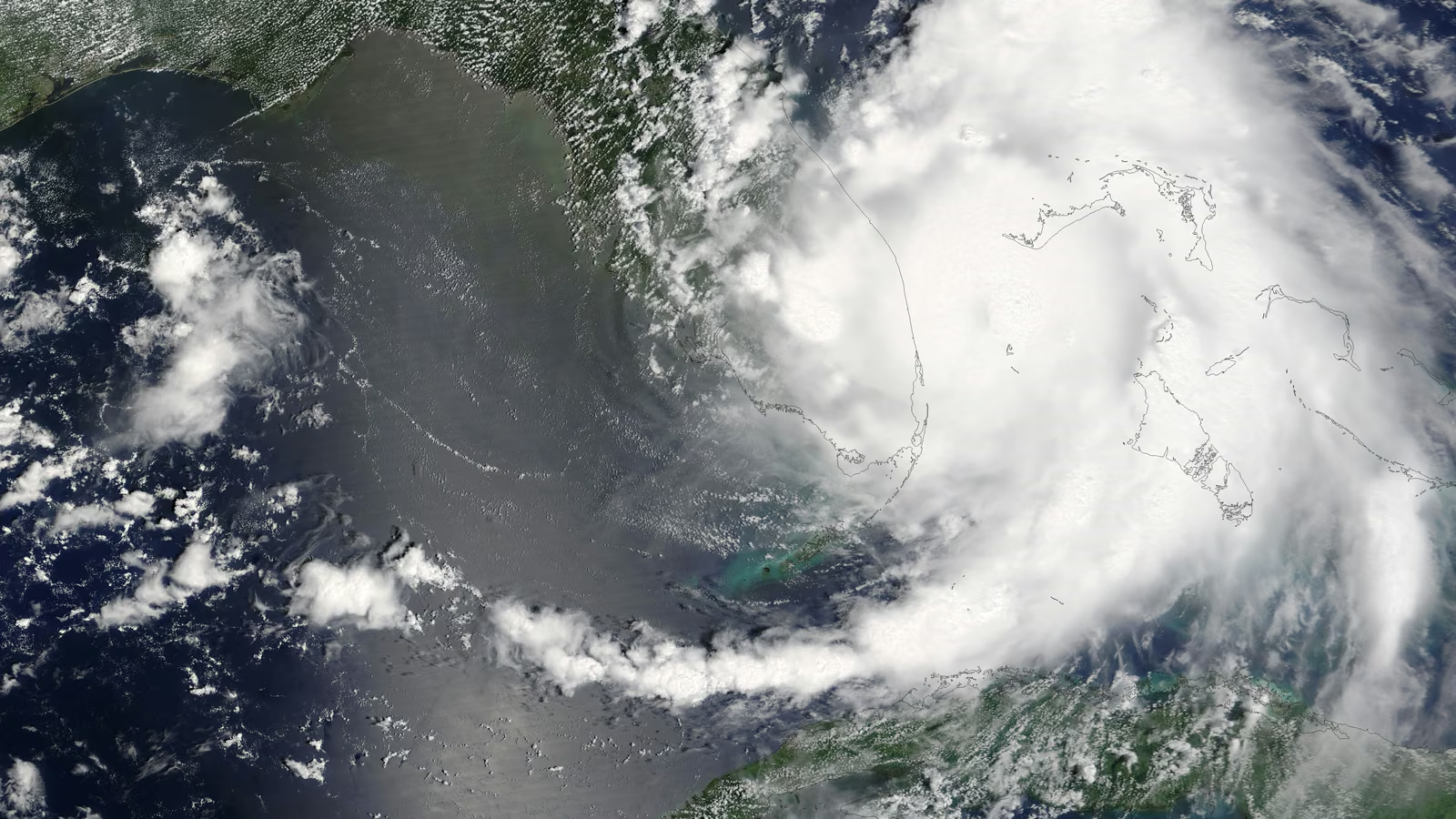
Hurricane Season, Are You Ready?
How hurricanes are categorized, the damage they do to homes, what homeowner's insurance usually covers, and a checklist for preparing before the 2023 season.
Read - legal
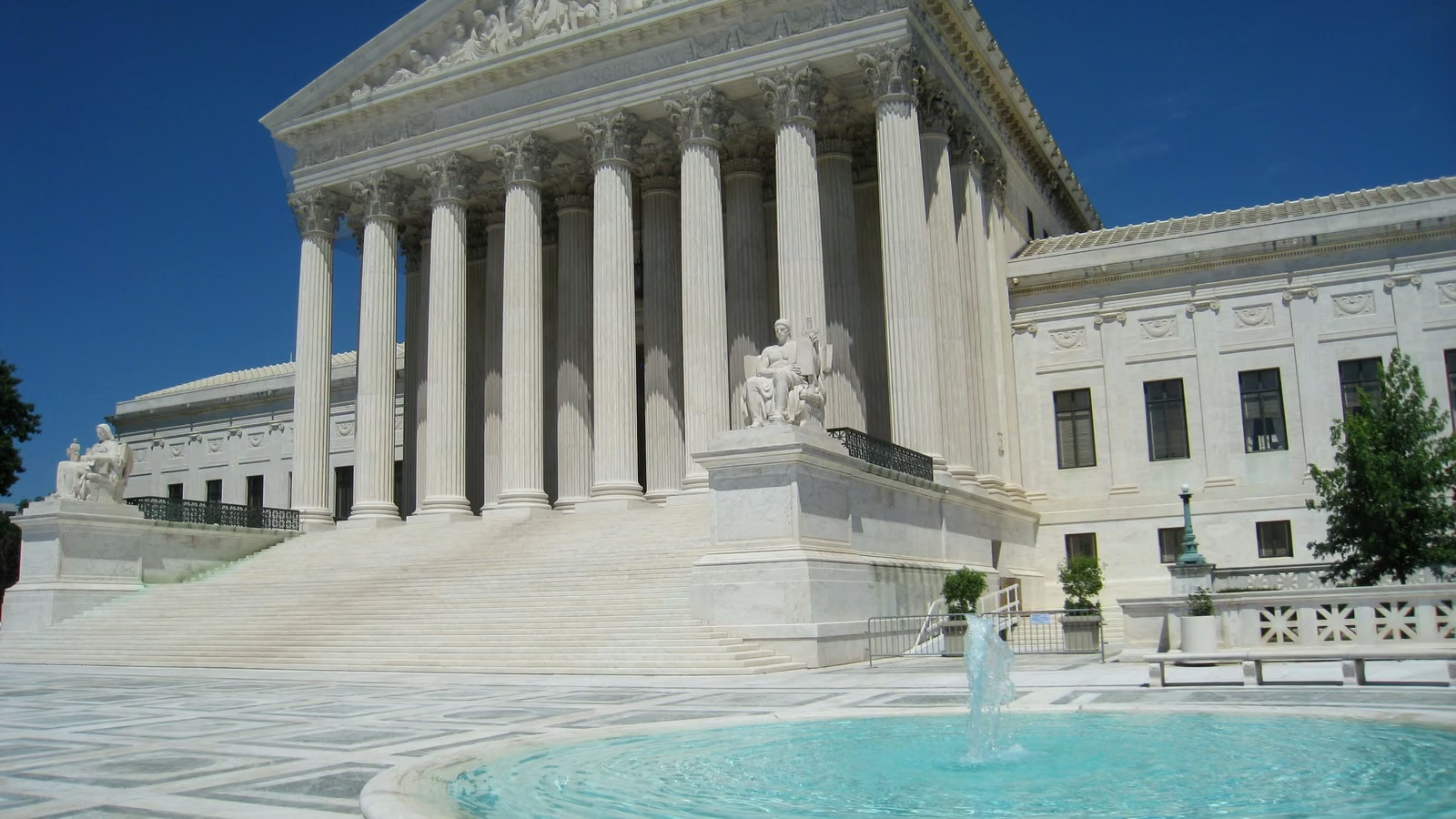
SCOTUS Ruling on Religious Accommodation
In Groff v. DeJoy, the Supreme Court held that an employer must show substantial increased costs, not a minimal burden, to deny a religious accommodation under Title VII.
Read - legal

Online Harassment: What Constitutes a Credible Threat?
In Counterman v. Colorado, the Supreme Court held that a true-threats prosecution must show the speaker was at least reckless about how the words would be taken.
Read